Exploring the Future of Creative Robotics
e-David is a research project at the intersection of art, robotics, and computer graphics. Our goal is to understand how intelligent systems can engage in the creative process—not as passive tools, but as active collaborators. By combining algorithmic control, visual feedback, and robotic precision, we investigate how machines can interpret, adapt, and ultimately co-create with humans through the medium of paint.
Our research operates at the intersection of computer graphics, robotics, and visual art, exploring a fundamental shift in creative practice: the revaluation of physical materials and process-based creation in an increasingly digital world. Traditional painting relies on the artist’s mastery of pigment and gesture—yet in an era shaped by intelligent systems, these acts are being reinterpreted through computation and robotics.
The e-David project investigates this transformation by developing robotic painting systems capable of autonomous and semi-autonomous visual production. Unlike standard plotters or industrial robots, e-David continuously analyzes its own output through feedback loops—capturing the evolving state of a canvas, evaluating differences from the target image, and computing new brushstroke instructions in real time.
The system determines where to apply paint, when to stop, and how to vary abstraction and detail. In our latest iteration, a visual abstraction pipeline and flexible environment enable direct interaction between human and machine: both share the same workspace and can contribute to the same canvas, forming a dynamic co-creative process that merges human intent with algorithmic decision-making.
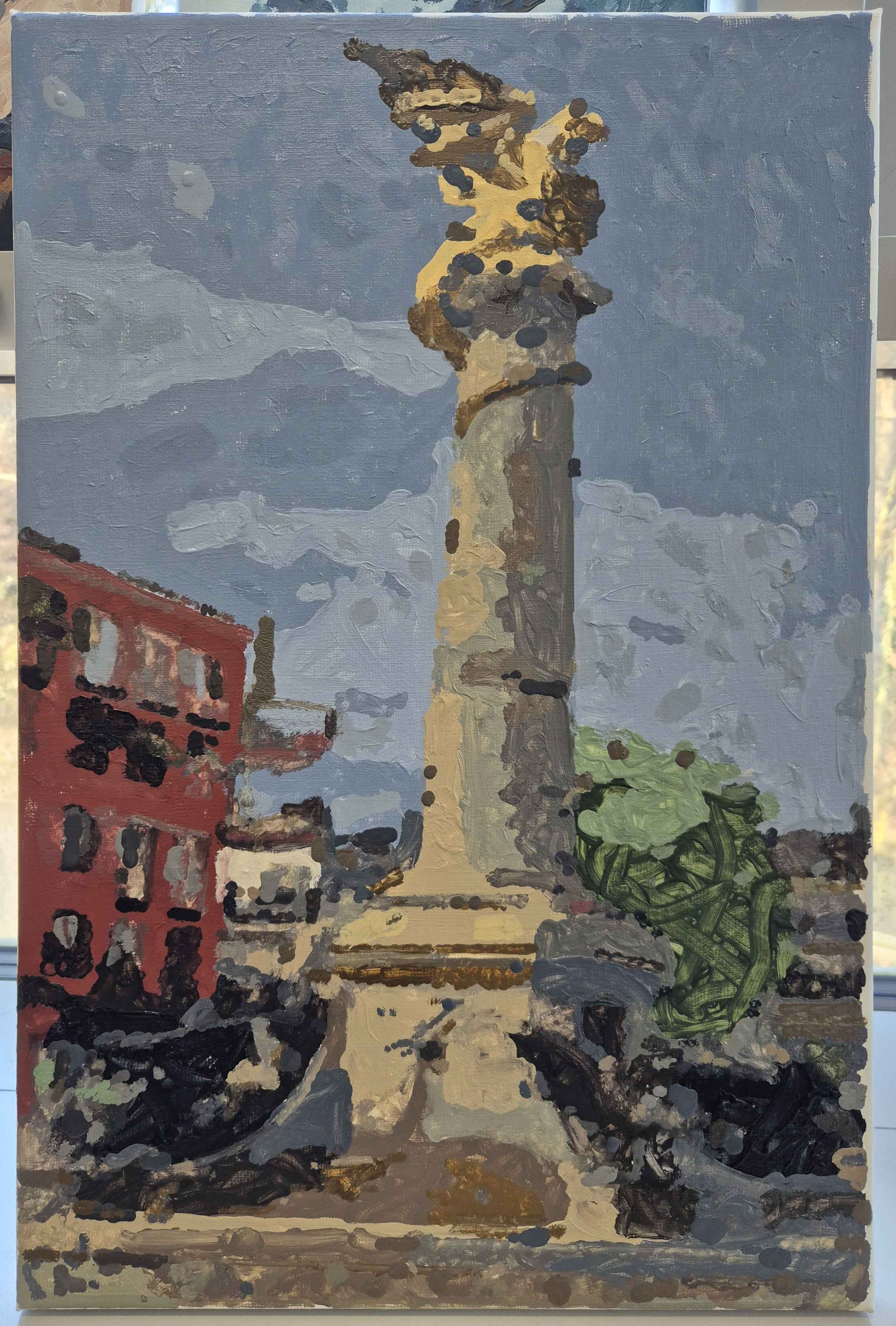
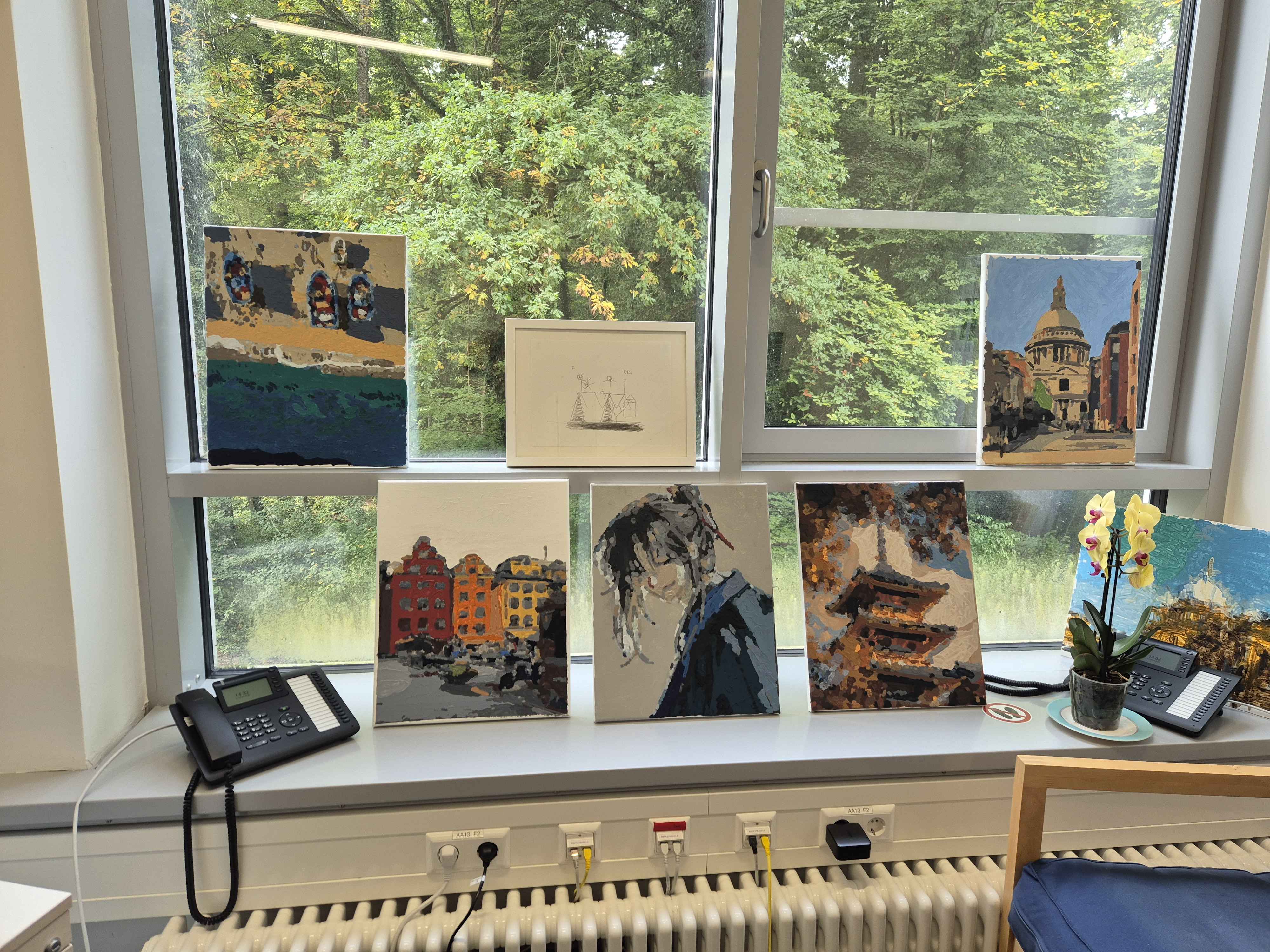
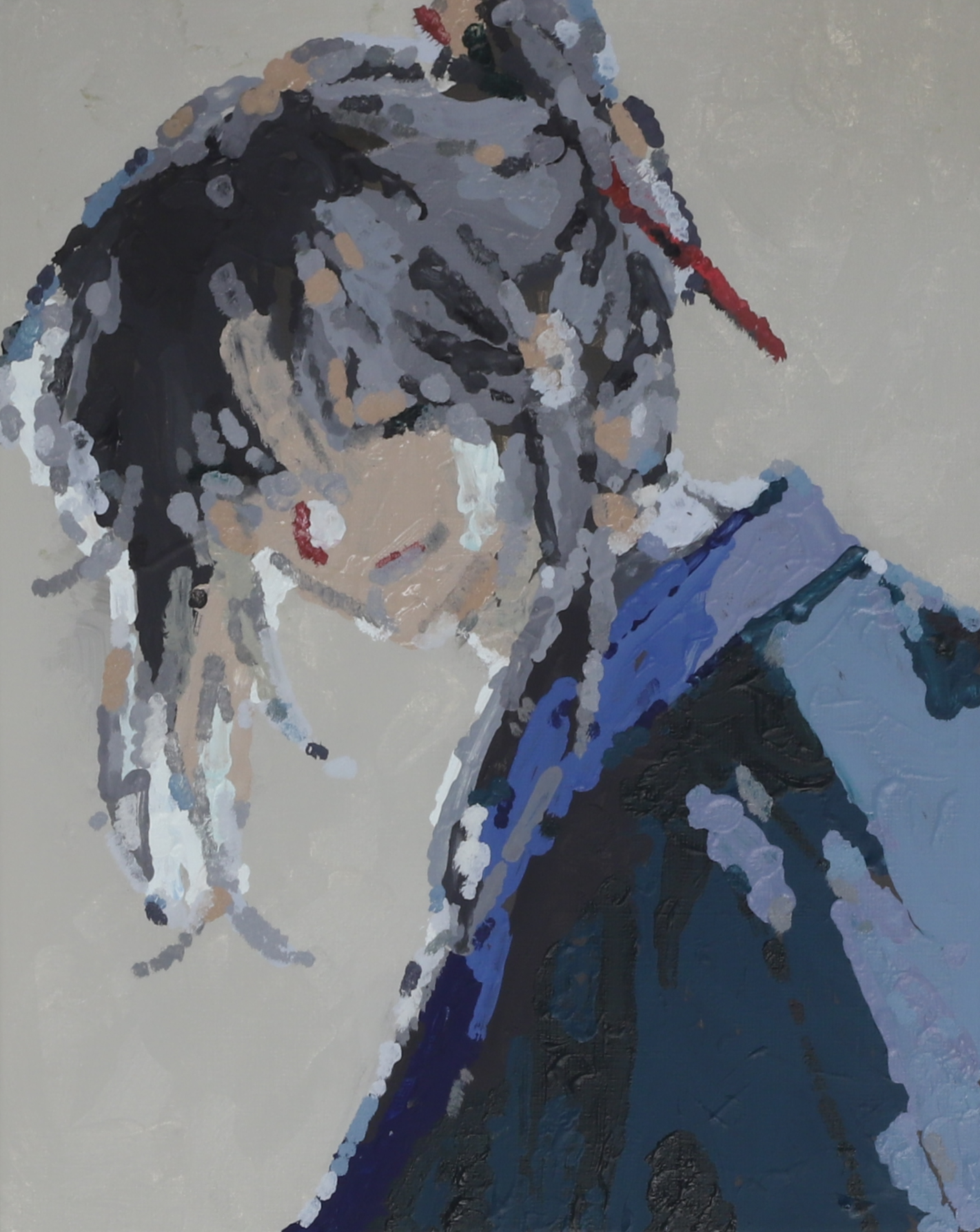
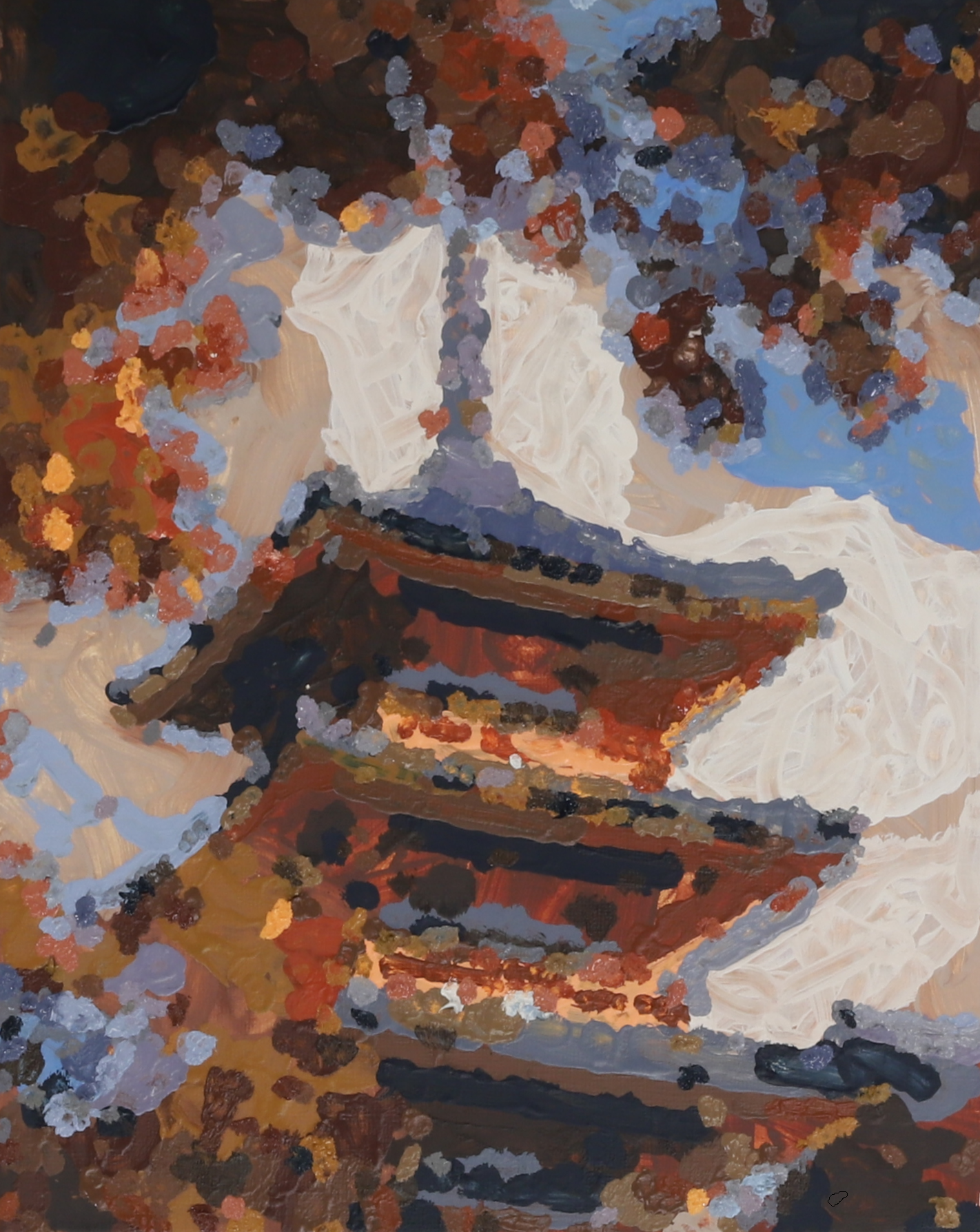
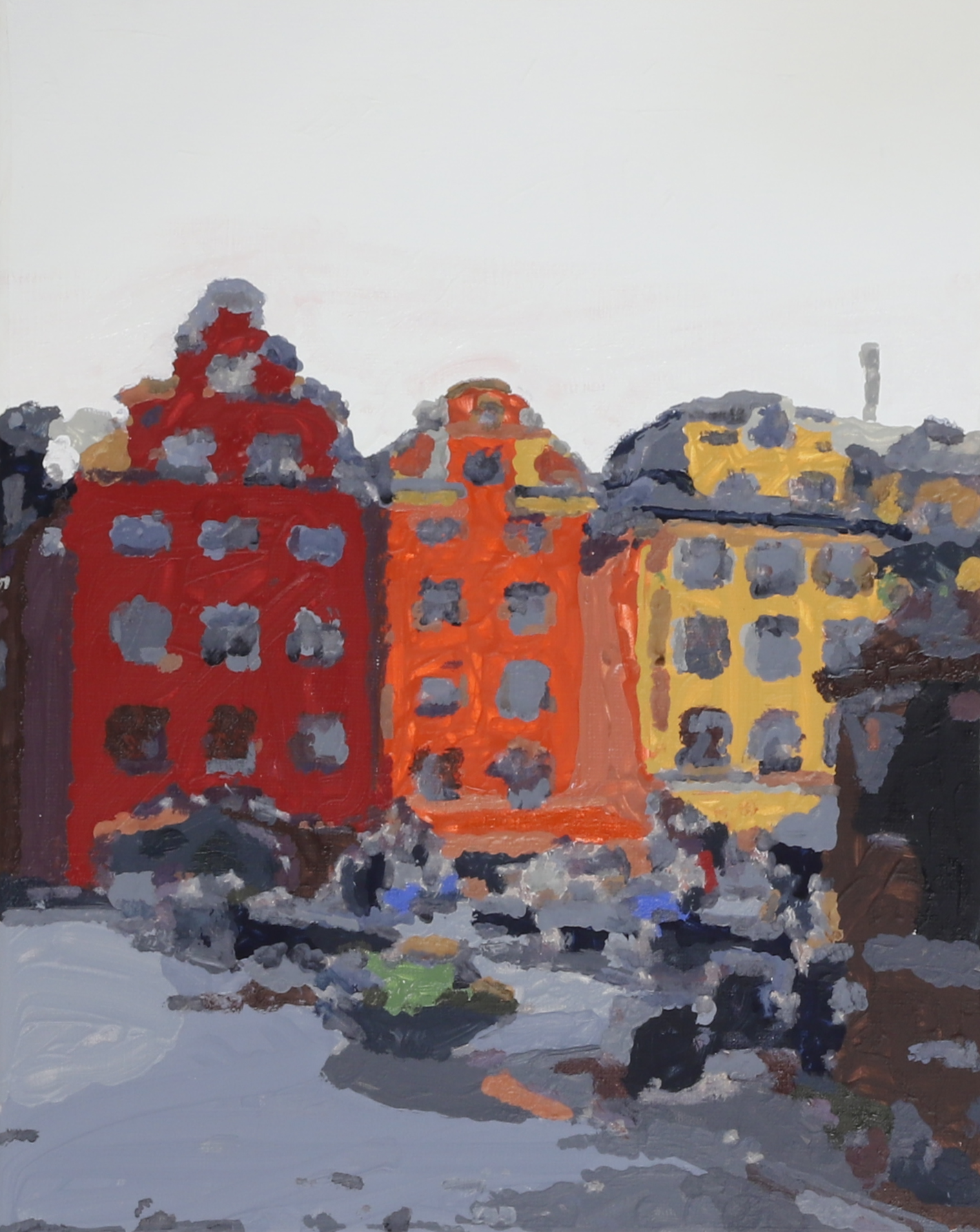
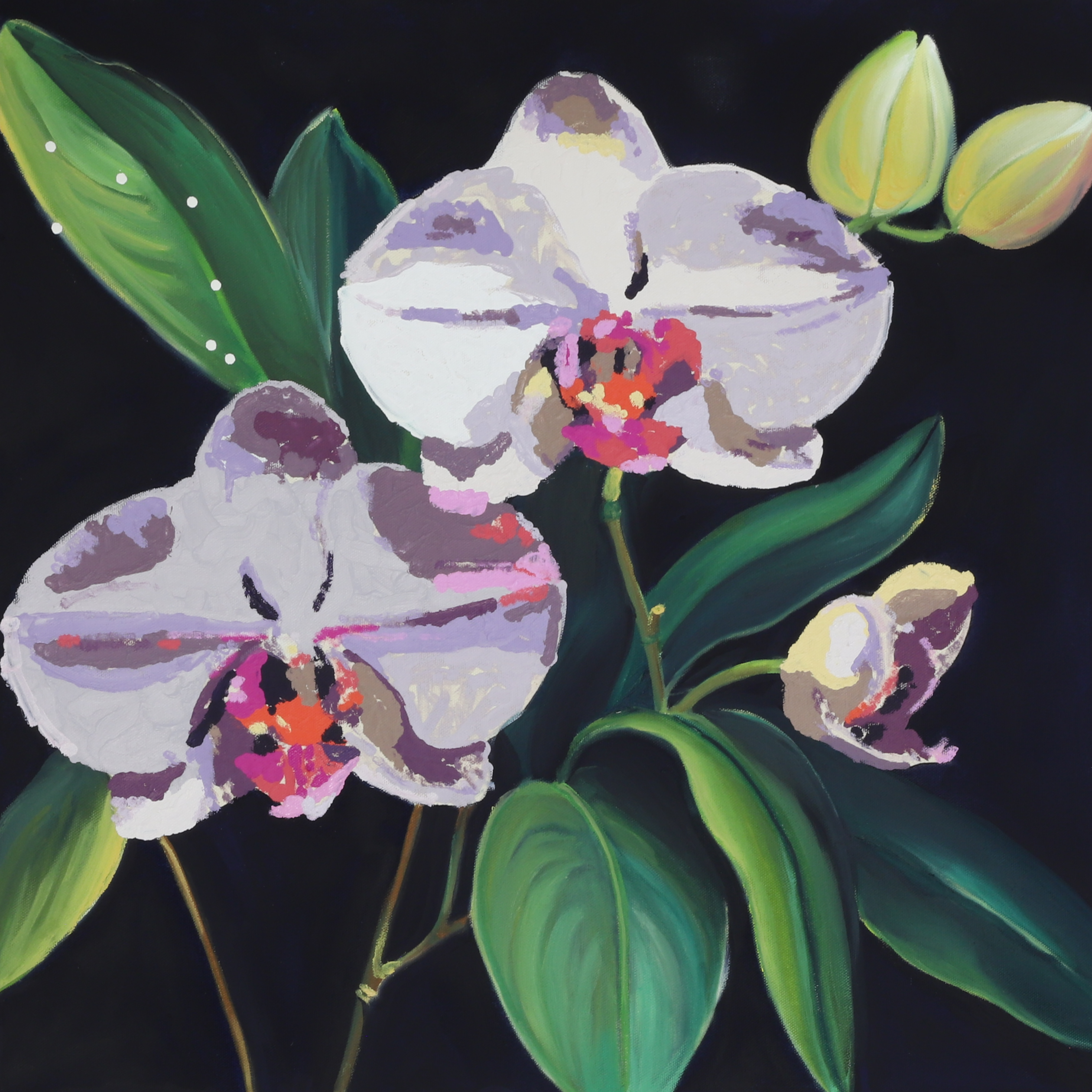
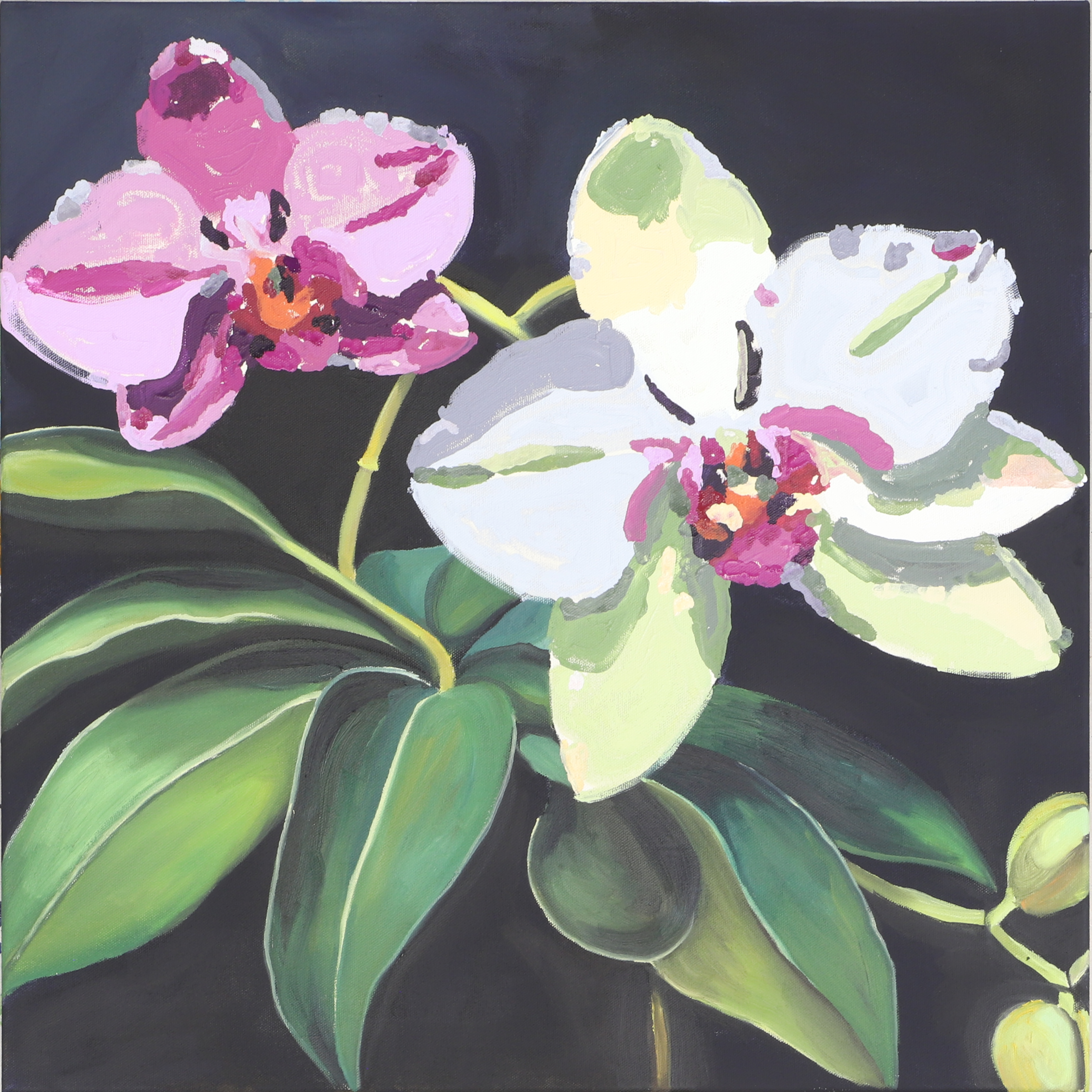
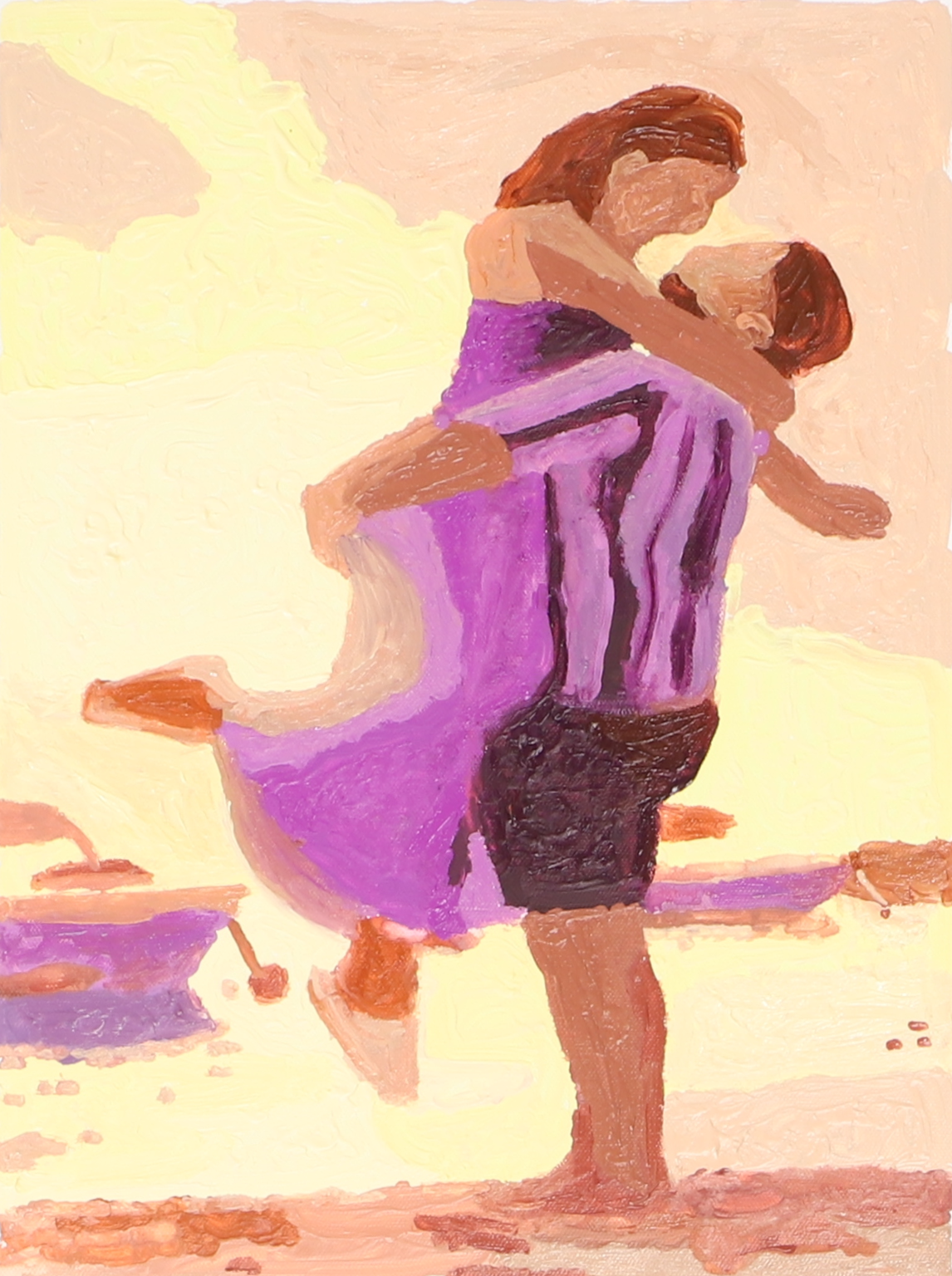
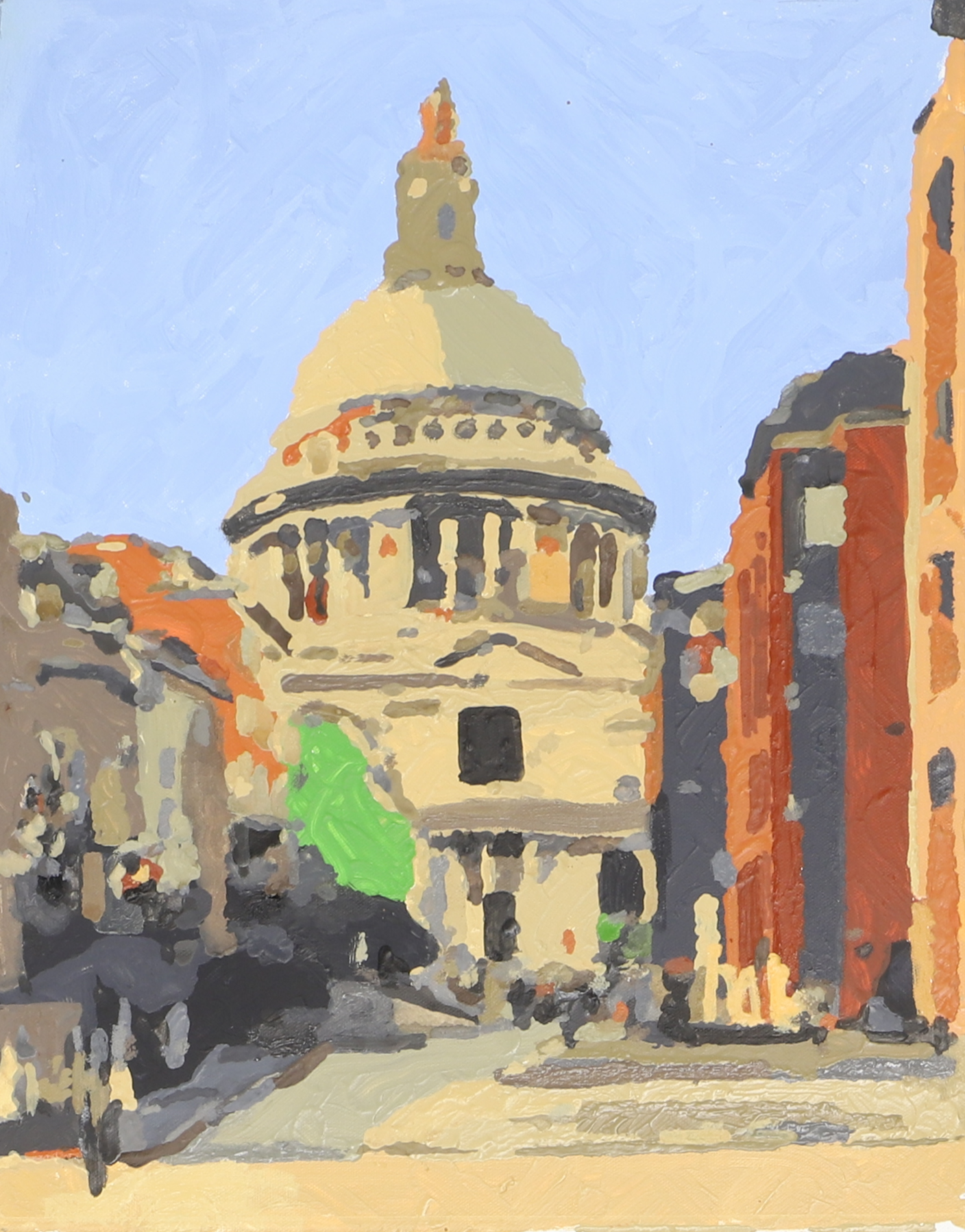
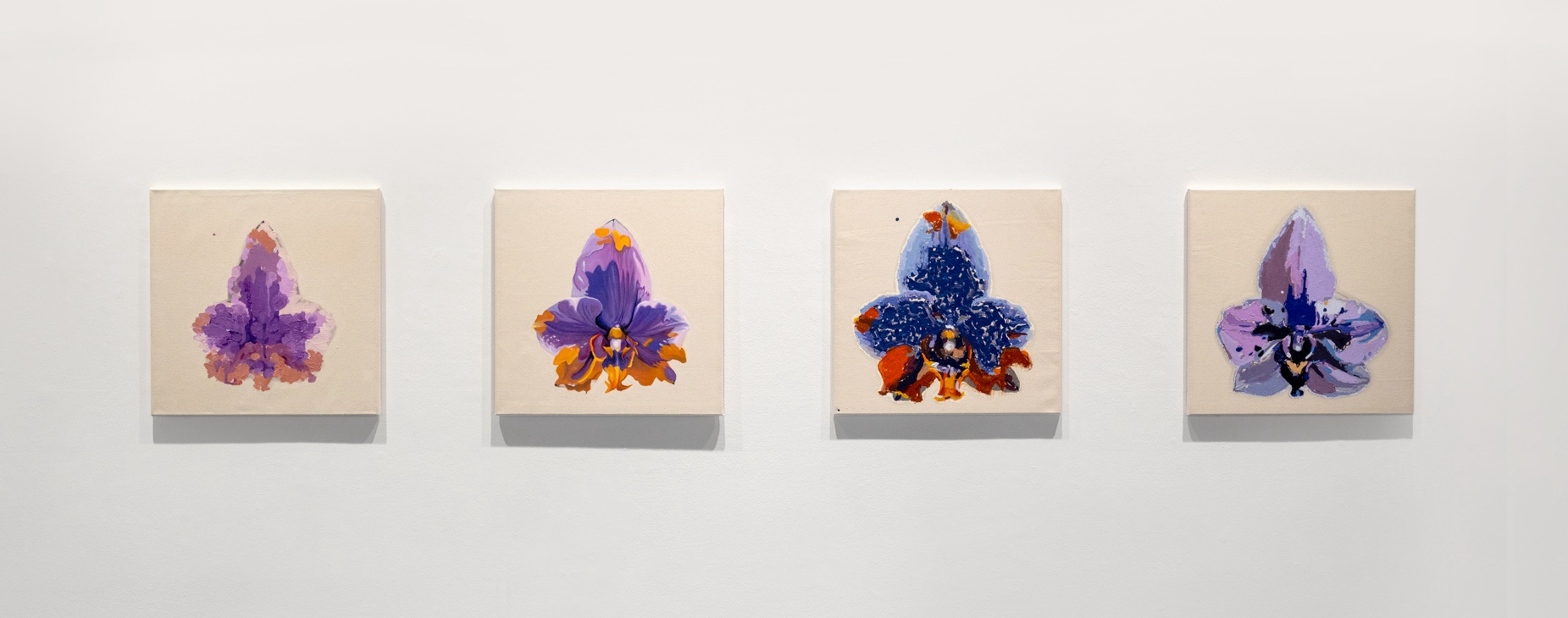
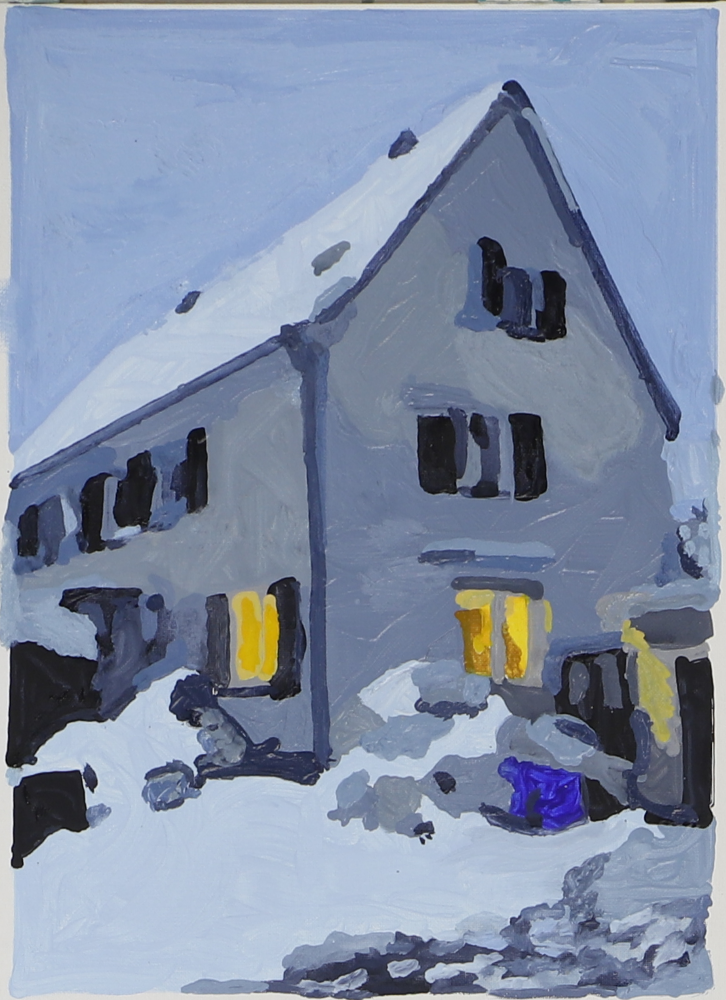
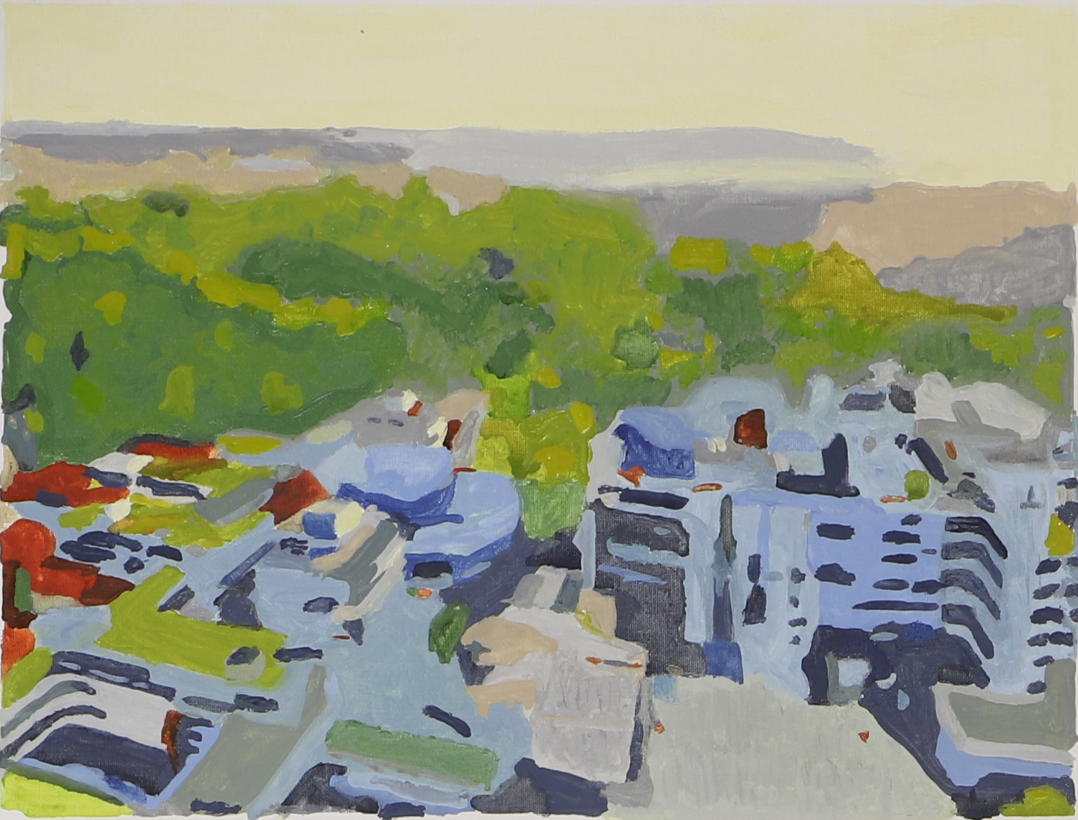
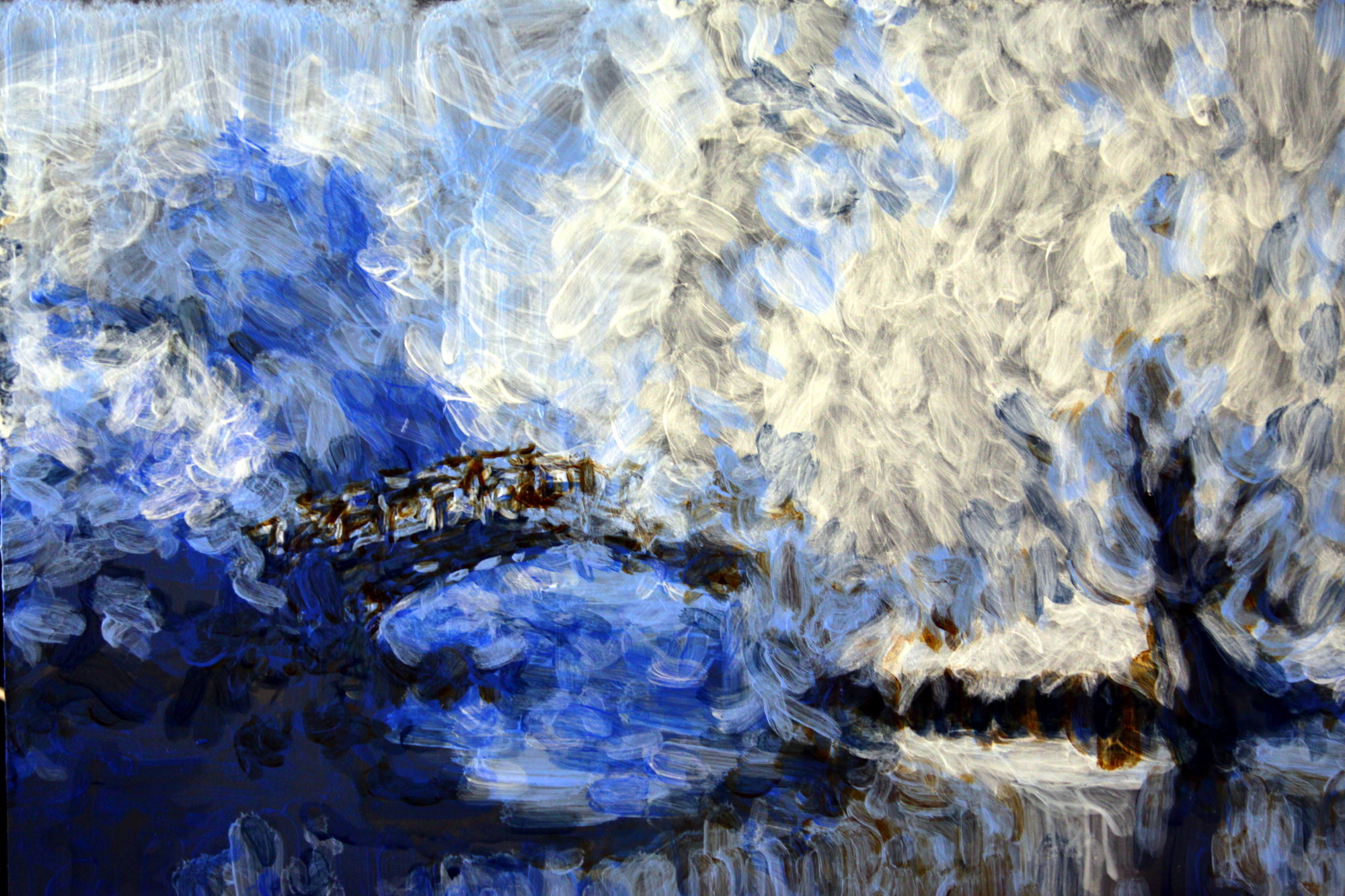
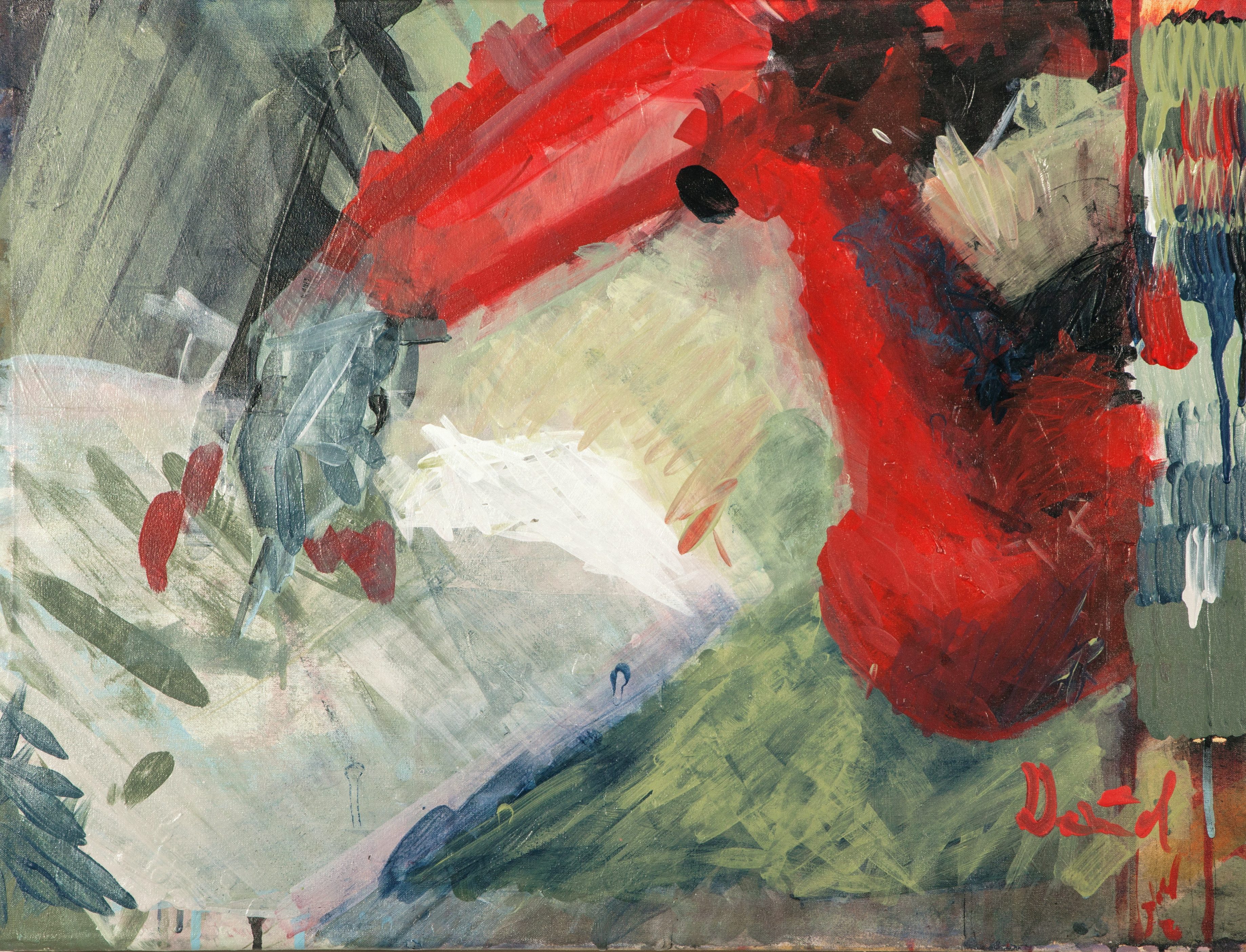
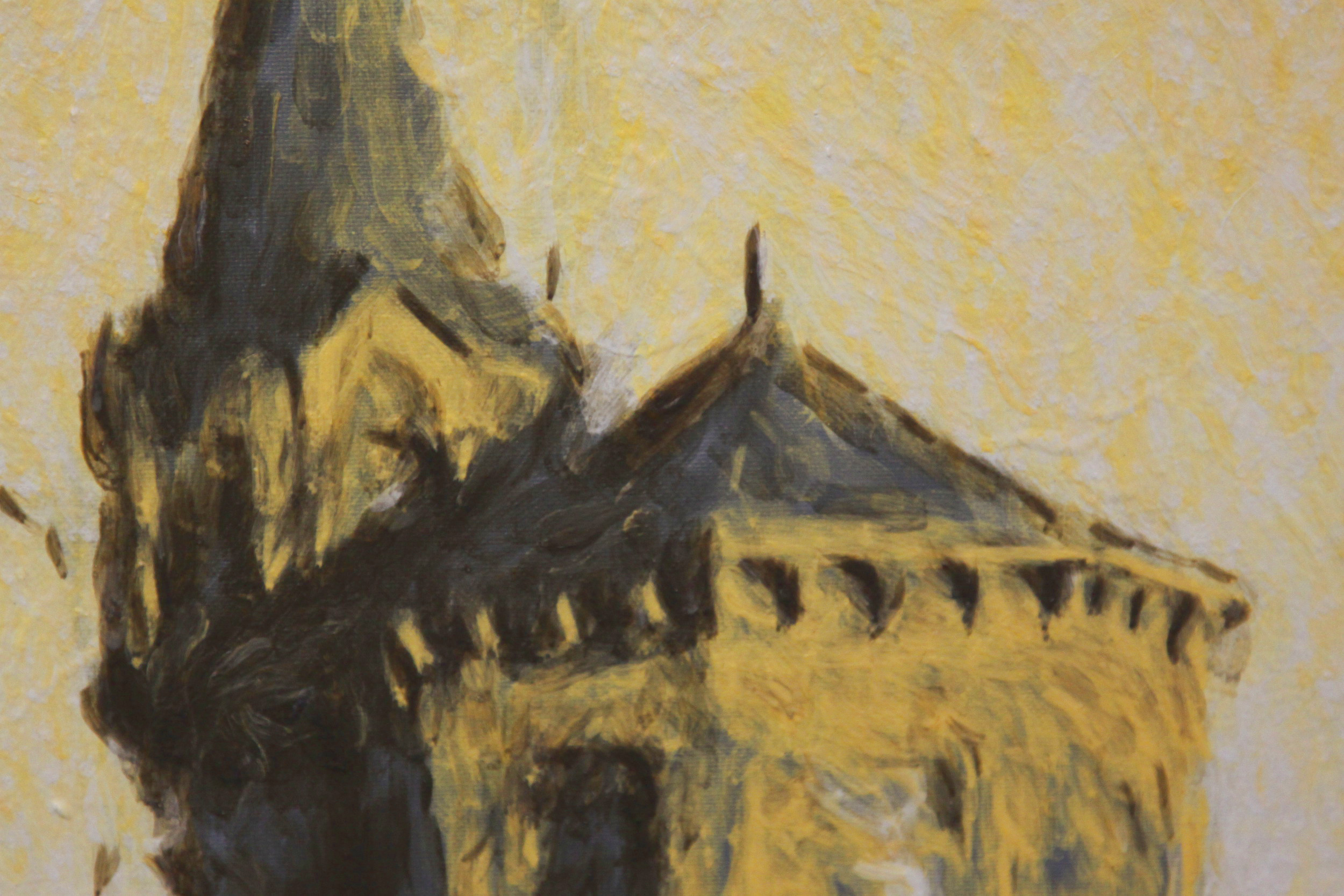
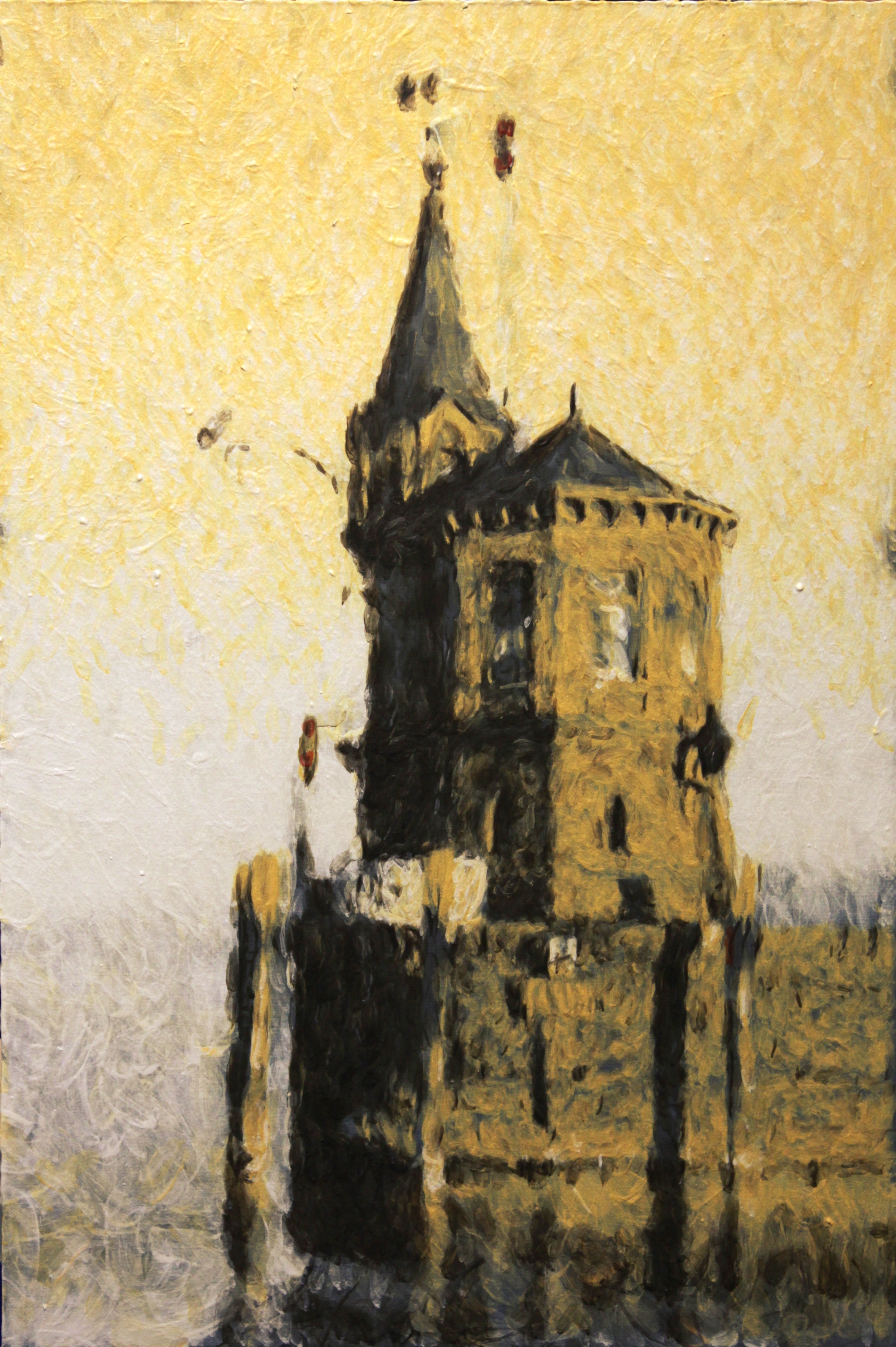
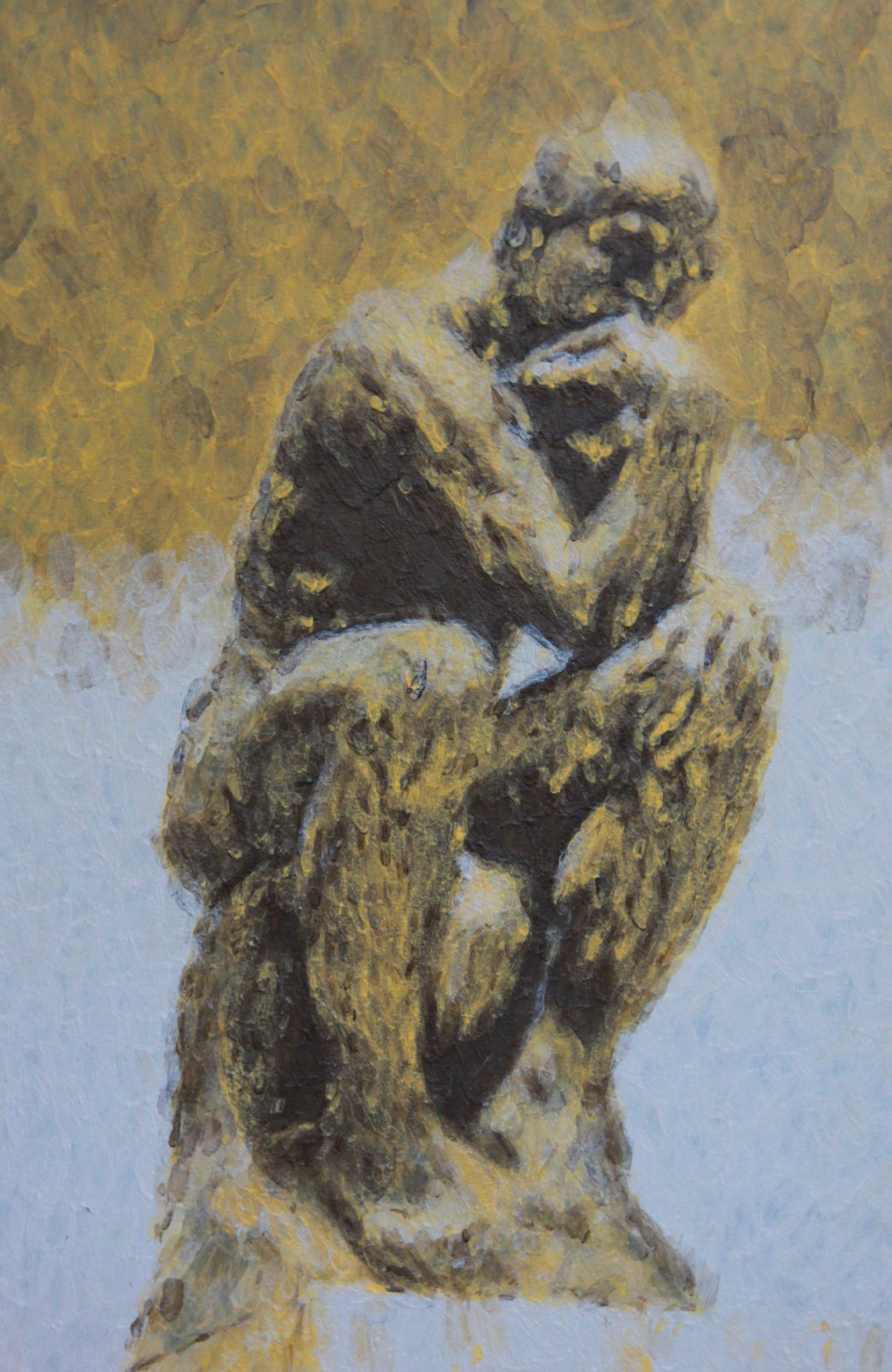
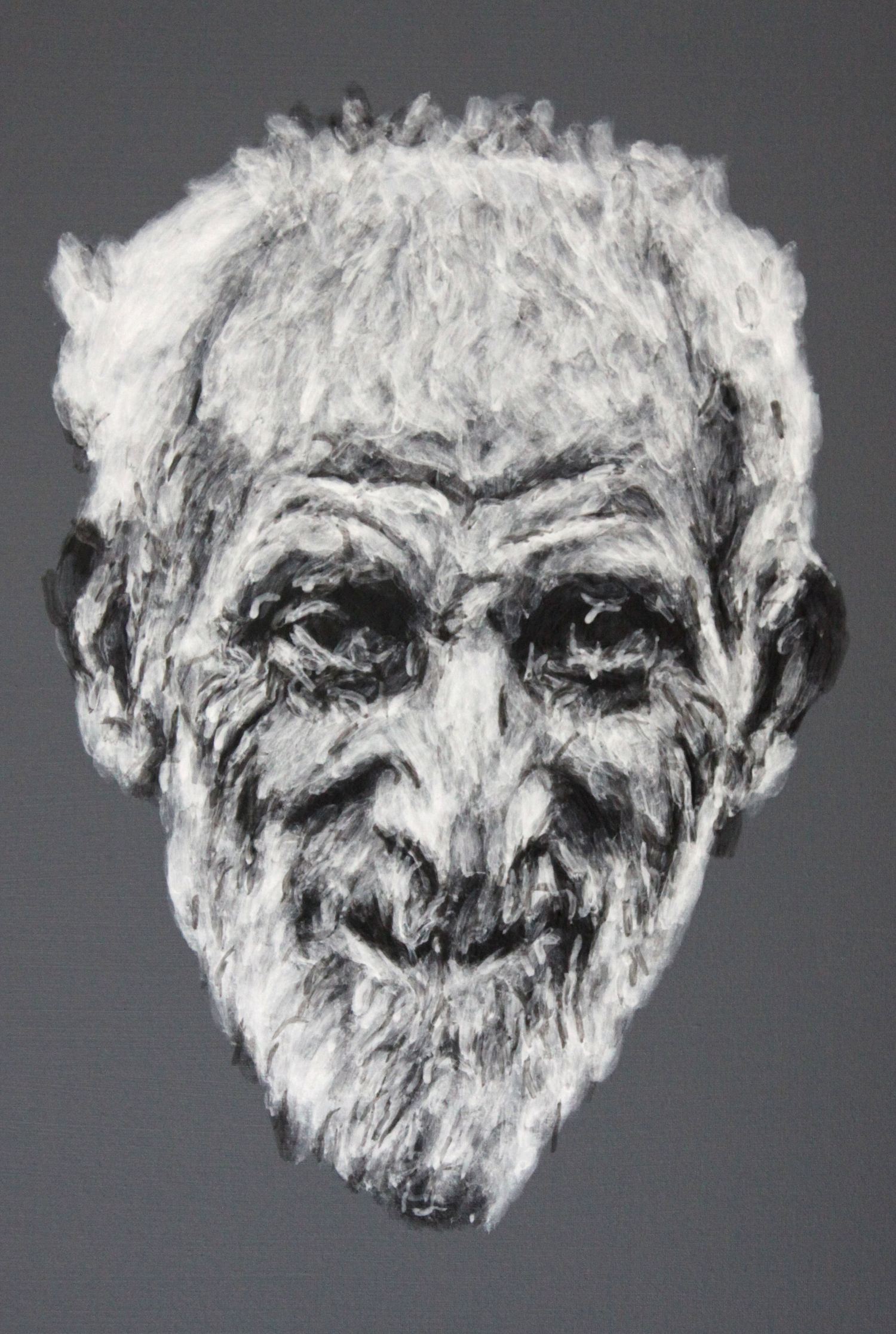
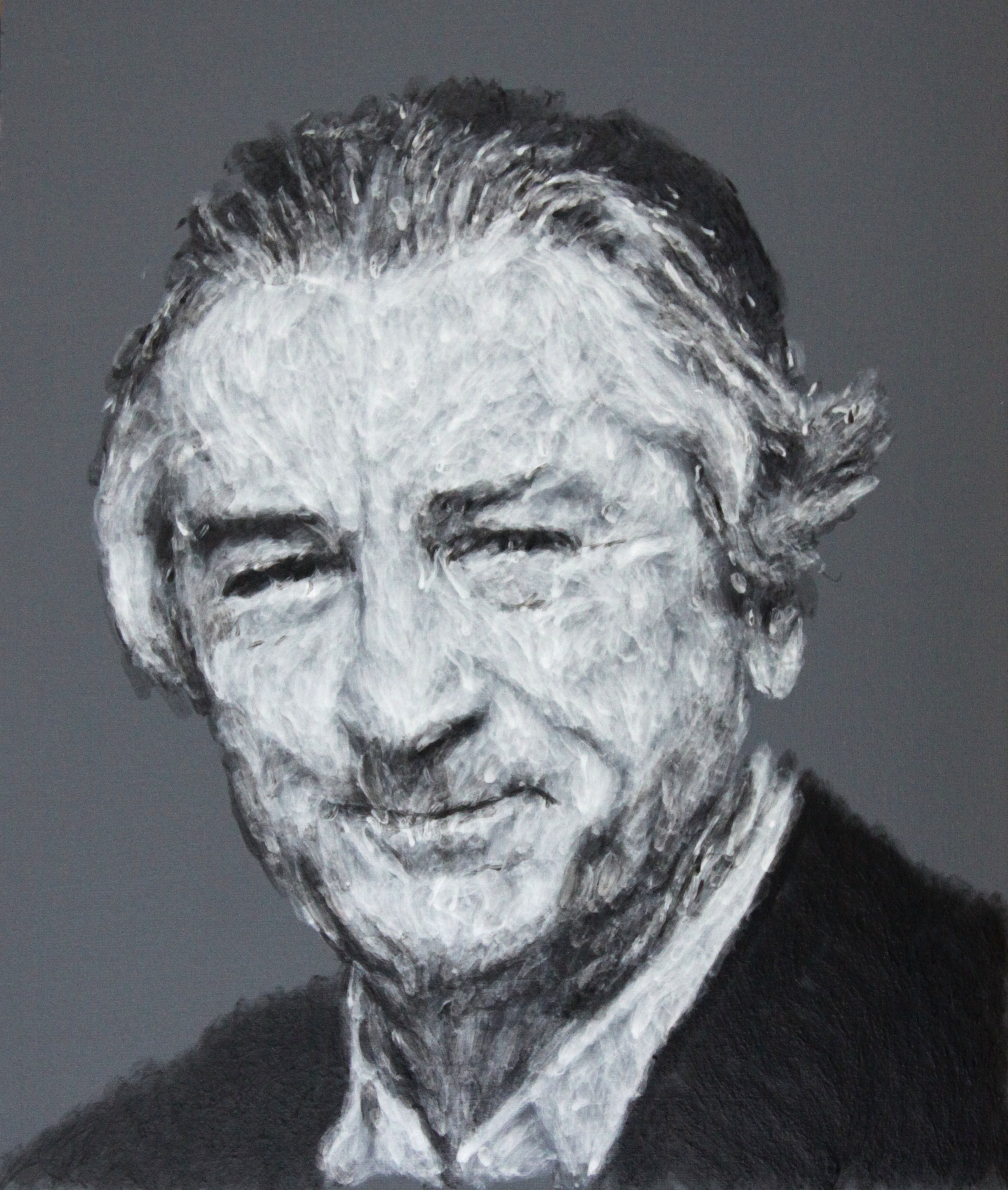
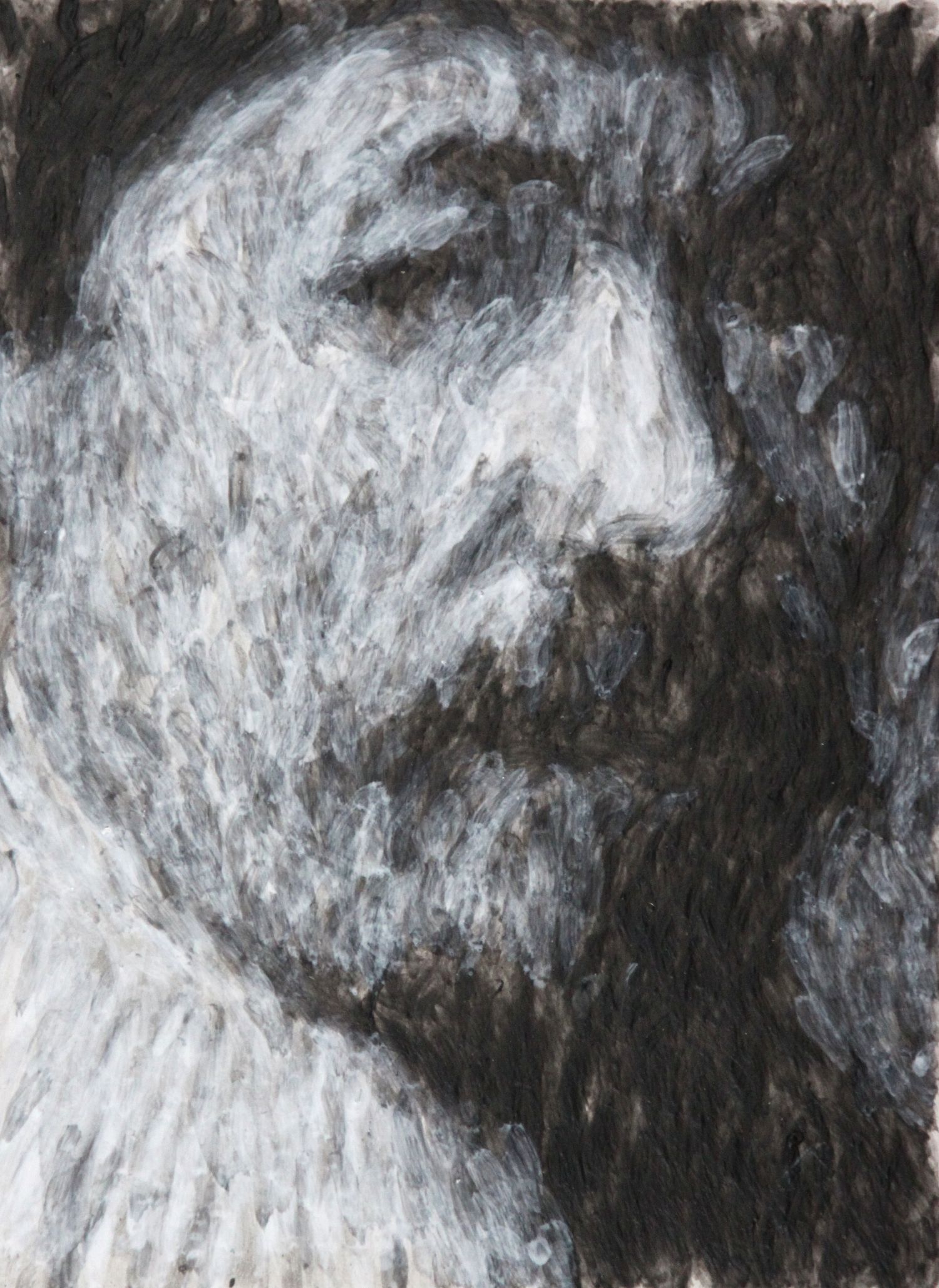
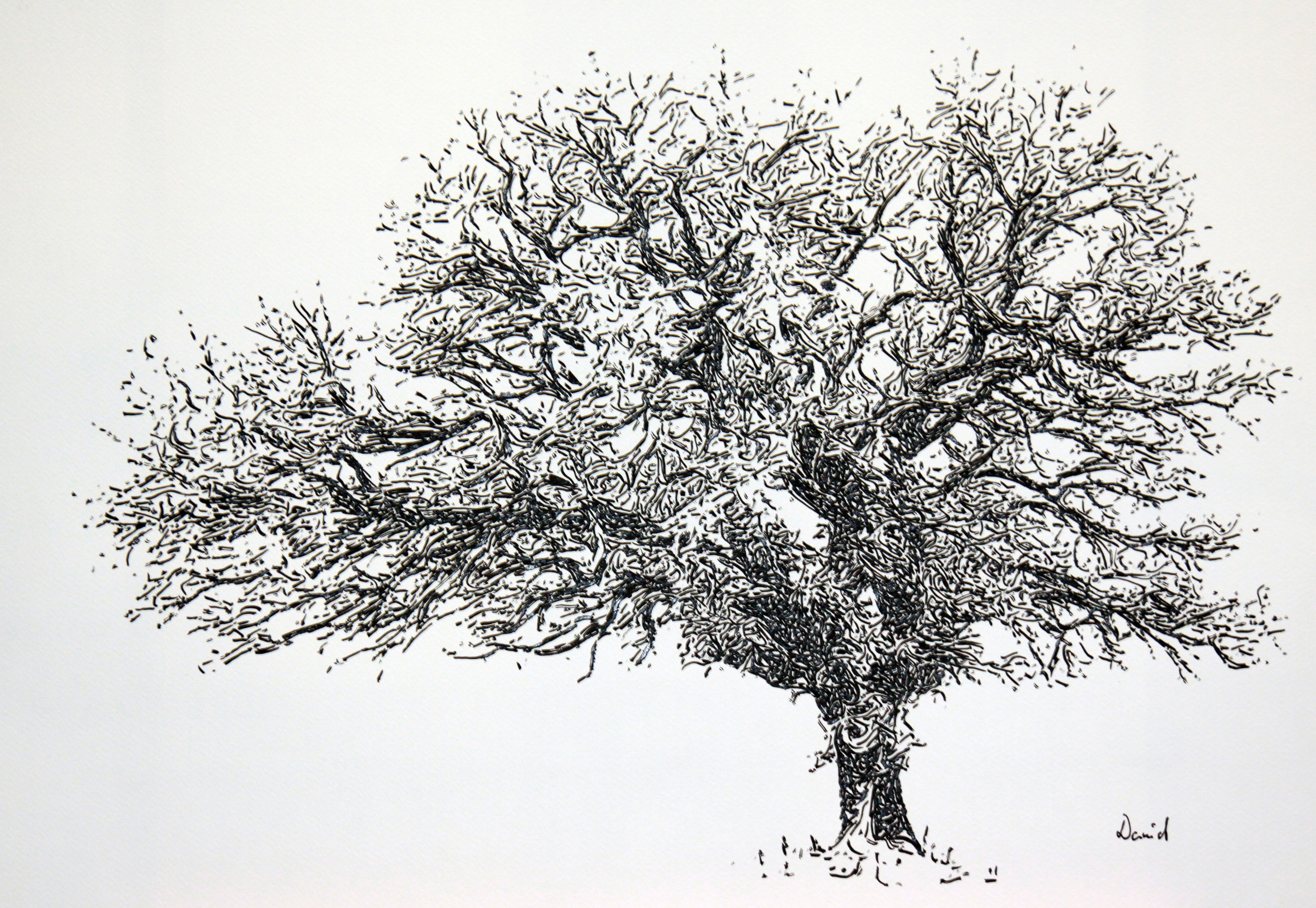
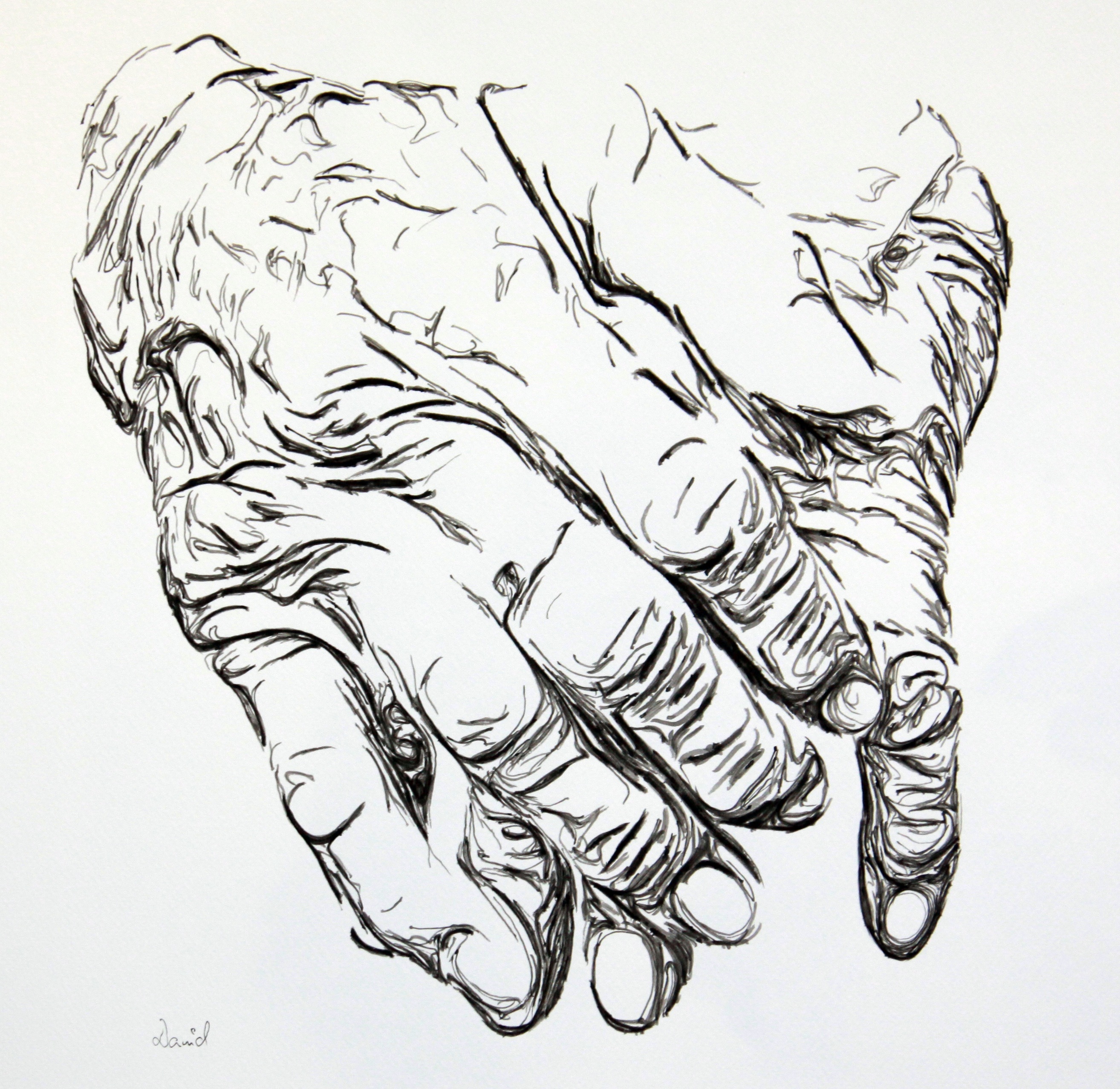
Since its inception in 2009, e-David has evolved through multiple hardware and software generations. Its control algorithms integrate computer vision, color calibration, stroke-planning heuristics, and adaptive learning methods. The resulting works range from photorealistic renderings to abstract compositions, showcasing how computational parameters can shape expressive outcomes.
Beyond its technical dimension, e-David serves as a platform for studying authorship, perception, and the influence of automation in creative disciplines. Each painting functions as a record of negotiation—between human agency, algorithmic constraint, and material resistance.
By enabling machines to participate actively in the creative process, we aim to expand the understanding of creativity itself—bridging art, robotics, and cognitive systems research to examine how human and non-human intelligences can collaborate in the act of making.
e-David is developed by generations of Ph.D. students under the supervision of Prof. Oliver Deussen at the Visual Computing Workgroup, University of Konstanz. The project is currently led, managed, and artistically shaped by Michael Stroh.




 The e-David project